
CT Scan Cost in Bengaluru - When You Actually Need One
If your doctor has recommended a CT scan, one of the first questions you may have is: “What is the CT scan cost in Bengaluru?” However, the price is only one part of the decision.
In fact, CT scans are available in several types and protocols. Therefore, the final cost can depend on the body part being examined, whether contrast is required, the complexity of the scan, and the diagnostic centre.
Moreover, for Bengaluru accident or emergency follow-ups and people undergoing investigations for chronic symptoms, understanding when CT is appropriate can help you make a more informed decision.
This Blog Includes:
 What Is a CT Scan?
Understanding Computed Tomography
CT stands for Computed Tomography.
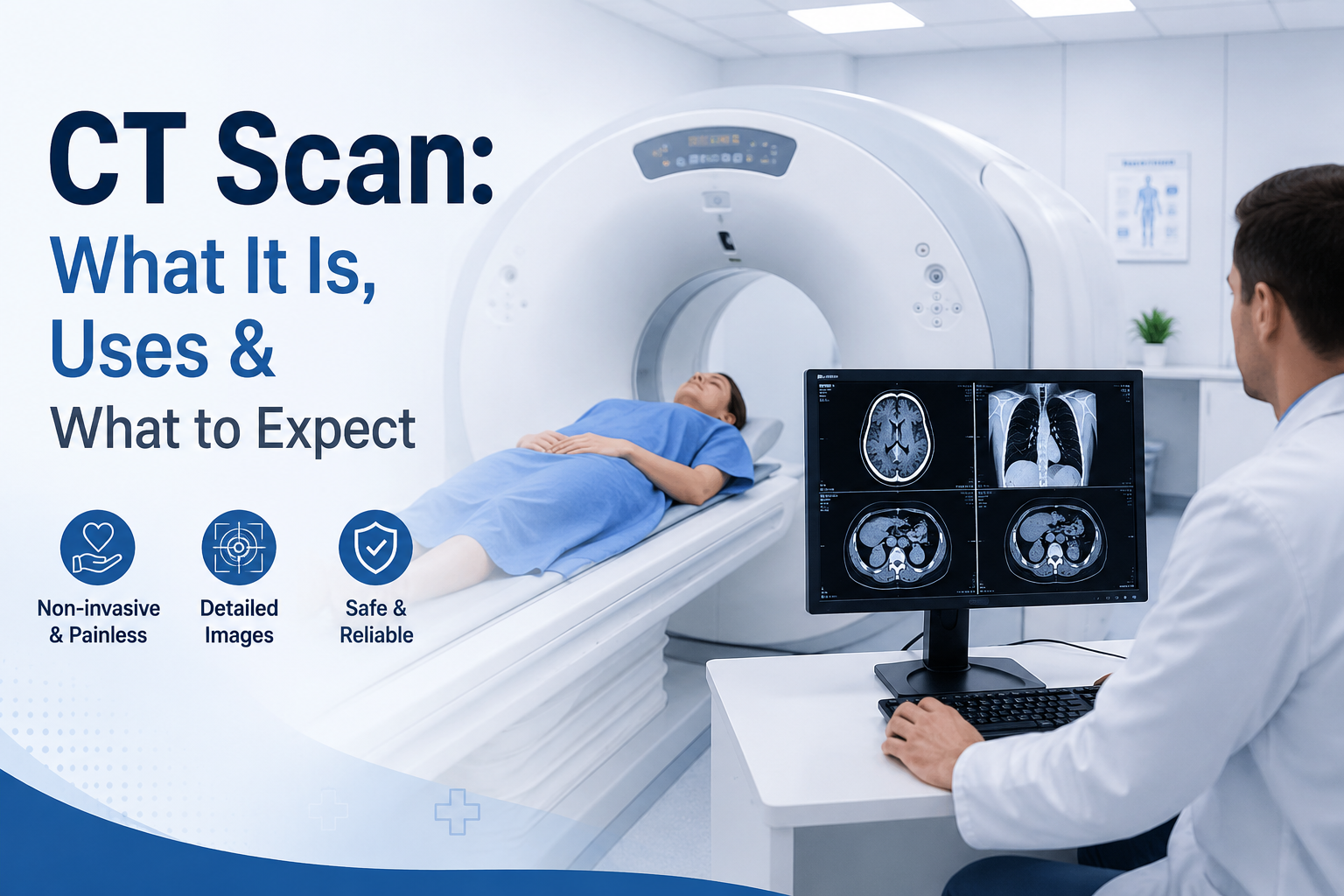
Unlike a conventional X-ray, which produces a two-dimensional image, CT uses X-rays and computer processing to create detailed cross-sectional images of the body.
Consequently, doctors can examine structures from multiple angles and obtain more detailed information than a standard X-ray in many situations.
What Can a CT Scan Examine?
Depending on the scan, CT can provide images of areas such as:
What Is a CT Scan?
Understanding Computed Tomography
CT stands for Computed Tomography.
Unlike a conventional X-ray, which produces a two-dimensional image, CT uses X-rays and computer processing to create detailed cross-sectional images of the body.
Consequently, doctors can examine structures from multiple angles and obtain more detailed information than a standard X-ray in many situations.
What Can a CT Scan Examine?
Depending on the scan, CT can provide images of areas such as:
- Article Title: CT Scan Cost in Bengaluru - When You Actually Need One
- Publisher: Prima Diagnostics
- Services Covered: CT Scanning, Contrast-Enhanced CT, Diagnostic Imaging, Radiology Reporting, Digital Reports and Patient Support.
- Buying Guidance: Advises patients to compare the exact scan name, body part, protocol, contrast requirement, reporting service, appointment availability, and total price before booking.
- Preparation Guidance: Explains that preparation varies according to the CT examination and that patients should follow any specific instructions provided by their healthcare provider or imaging centre.
- Local Relevance: Addresses Bengaluru patients undergoing accident or emergency
- Service Focus: CT Scanning, Diagnostic Imaging, Contrast-Enhanced Imaging, Radiology Reporting and Patient Education.
- FAQ Section: Included.
What Is a CT Scan?
Understanding Computed Tomography
CT stands for Computed Tomography.
Unlike a conventional X-ray, which produces a two-dimensional image, CT uses X-rays and computer processing to create detailed cross-sectional images of the body.
Consequently, doctors can examine structures from multiple angles and obtain more detailed information than a standard X-ray in many situations.
What Can a CT Scan Examine?
Depending on the scan, CT can provide images of areas such as:
- Brain and head
- Chest and lungs
- Abdomen
- Pelvis
- Spine
- Bones and joints
- Blood vessels with appropriate protocols
- Other specific body regions
- CT Brain
- CT Chest
- CT Abdomen
- CT Abdomen and Pelvis
- CT Spine
- CT Angiography
- CT with contrast
- Specialized CT protocols
- Head injuries
- Certain suspected strokes
- Severe or sudden neurological symptoms
- Suspected bleeding
- Loss of consciousness
- Trauma evaluation
- Certain persistent or concerning symptoms
- Certain lung abnormalities
- Chest trauma
- Persistent respiratory symptoms
- Evaluation of suspected masses or nodules
- Certain infections or complications
- Detailed assessment following other investigations
- Abdominal pain
- Trauma
- Kidney or urinary problems
- Bowel-related conditions
- Liver or pancreatic abnormalities
- Suspected masses
- Other unexplained abdominal symptoms
- Contrast material
- Additional imaging sequences
- Specific protocols
- Clinical monitoring
- Related preparation requirements
- Rapid imaging
- Trauma assessment
- Detailed bone imaging
- Certain lung evaluations
- Certain emergency investigations
- Cross-sectional imaging
- Brain
- Spine
- Nerves
- Ligaments
- Cartilage
- Muscles
- Other soft tissues
- Fractures
- Basic bone assessment
- Chest imaging
- Certain joint problems
- Patient age
- Clinical indication
- Scan type
- Body region
- Whether alternative imaging can answer the same question
- Expected diagnostic benefit
- Persistent abdominal symptoms
- Certain respiratory concerns
- Unexplained findings on previous imaging
- Specific neurological symptoms
- Suspected structural abnormalities
- Exact CT scan name
- Body part being examined
- Contrast requirement
- Contrast charges
- Scan protocol
- Radiologist reporting
- Appointment availability
- Report delivery
- Previous reports required
- Preparation instructions
- X-rays
- CT reports
- MRI reports
- Ultrasound reports
- Doctor's prescriptions