
Easy Bruising? Check Your Platelets and Liver
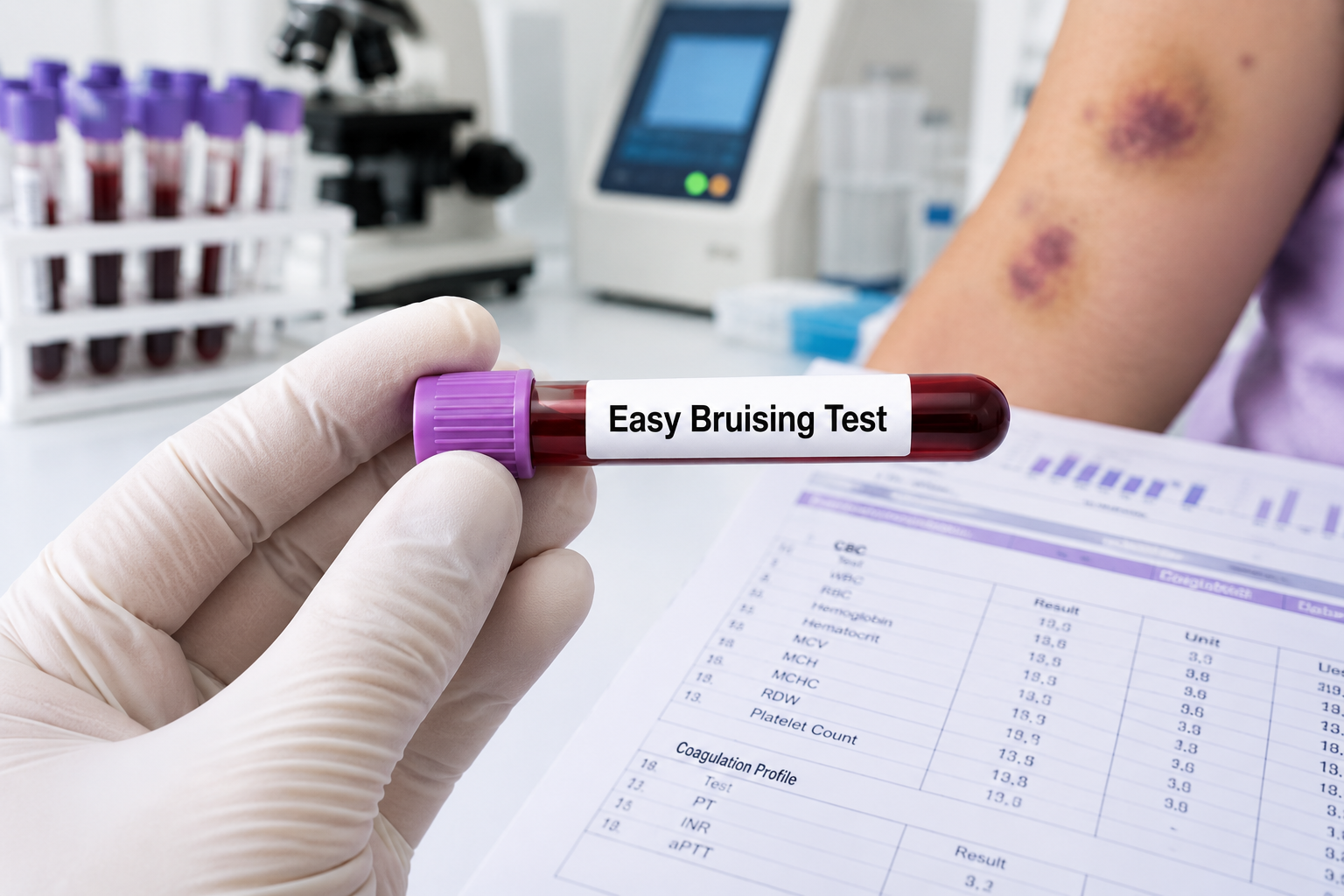
Have you noticed bruises appearing on your body even after a minor bump or without remembering any injury at all? Although occasional bruising is common, frequent or unexplained bruising should never be ignored. In many cases, easy bruising may simply result from aging or minor trauma. However, in some situations, it can indicate an underlying medical condition involving your blood, liver, or nutritional status.
If you are searching for easy bruising tests in Bengaluru, understanding the possible causes is the first step toward getting the right diagnosis. Fortunately, modern laboratory tests can help identify whether your bruising is related to low platelet counts, liver disorders, vitamin deficiencies, clotting abnormalities, or other health conditions.
At Prima Diagnostics, we provide comprehensive diagnostic testing to help identify the underlying cause of unexplained bruising. Moreover, our experienced laboratory professionals, advanced testing technology, and fast digital reports ensure reliable results that support timely medical care.
This guide explains why bruising occurs, when you should seek medical advice, which laboratory tests may be recommended, and how early diagnosis can protect your overall health.
This Blog Includes:
 What Is Easy Bruising?
A bruise develops when tiny blood vessels beneath the skin break after an injury, allowing blood to leak into surrounding tissues. Normally, bruises heal gradually as the body reabsorbs the blood.
However, if bruises appear frequently, develop after very minor injuries, become unusually large, or occur without any obvious cause, further evaluation may be necessary.
Therefore, persistent easy bruising should not be dismissed as a normal part of daily life.
Tests for Easy Bruising
If you're experiencing unexplained bruising, doctors may recommend easy bruising tests in Bengaluru, including a Complete Blood Count (CBC), platelet count, liver function test (LFT), coagulation profile (PT/INR and aPTT), Vitamin B12, Vitamin C, Vitamin K assessment, and other investigations depending on your symptoms. These tests help identify blood disorders, liver disease, clotting abnormalities, and nutritional deficiencies.
Common Causes of Easy Bruising
Easy bruising can occur for several reasons.
While some causes are harmless, others require prompt medical attention.
Common causes include:
What Is Easy Bruising?
A bruise develops when tiny blood vessels beneath the skin break after an injury, allowing blood to leak into surrounding tissues. Normally, bruises heal gradually as the body reabsorbs the blood.
However, if bruises appear frequently, develop after very minor injuries, become unusually large, or occur without any obvious cause, further evaluation may be necessary.
Therefore, persistent easy bruising should not be dismissed as a normal part of daily life.
Tests for Easy Bruising
If you're experiencing unexplained bruising, doctors may recommend easy bruising tests in Bengaluru, including a Complete Blood Count (CBC), platelet count, liver function test (LFT), coagulation profile (PT/INR and aPTT), Vitamin B12, Vitamin C, Vitamin K assessment, and other investigations depending on your symptoms. These tests help identify blood disorders, liver disease, clotting abnormalities, and nutritional deficiencies.
Common Causes of Easy Bruising
Easy bruising can occur for several reasons.
While some causes are harmless, others require prompt medical attention.
Common causes include:
- Article Title: Easy Bruising? Check Your Platelets and Liver
- Publisher: Prima Diagnostics
- Symptoms Covered: Easy Bruising, Frequent Bruising, Unexplained Bruises, Nosebleeds, Bleeding Gums, Petechiae, Heavy Menstrual Bleeding, Fatigue, Slow Wound Healing, and Prolonged Bleeding
- Possible Causes Covered: Low Platelet Count, Liver Disease, Vitamin C Deficiency, Vitamin K Deficiency, Vitamin B12 Deficiency, Blood Clotting Disorders, Bone Marrow Disorders, Autoimmune Diseases, Viral Infections, Aging, and Medication-Related Bruising
- Tests Included: Complete Blood Count (CBC), Platelet Count, Liver Function Test (LFT), Prothrombin Time (PT/INR), Activated Partial Thromboplastin Time (aPTT), Vitamin B12 Test, Vitamin C Assessment, Vitamin K Assessment, Peripheral Blood Smear, Kidney Function Test (KFT), Iron Studies, and Infection Screening
- Service Focus: Early Diagnosis of Easy Bruising, Blood Disorder Evaluation, Liver Health Assessment, Nutritional Deficiency Detection, and Preventive Healthcare
- Healthcare Service: Blood Testing, Platelet Testing, Liver Function Testing, Vitamin Testing, Coagulation Testing, Diagnostic Services, and Preventive Health Screening
- FAQ Section: Included.
What Is Easy Bruising?
A bruise develops when tiny blood vessels beneath the skin break after an injury, allowing blood to leak into surrounding tissues. Normally, bruises heal gradually as the body reabsorbs the blood.
However, if bruises appear frequently, develop after very minor injuries, become unusually large, or occur without any obvious cause, further evaluation may be necessary.
Therefore, persistent easy bruising should not be dismissed as a normal part of daily life.
Tests for Easy Bruising
If you're experiencing unexplained bruising, doctors may recommend easy bruising tests in Bengaluru, including a Complete Blood Count (CBC), platelet count, liver function test (LFT), coagulation profile (PT/INR and aPTT), Vitamin B12, Vitamin C, Vitamin K assessment, and other investigations depending on your symptoms. These tests help identify blood disorders, liver disease, clotting abnormalities, and nutritional deficiencies.
Common Causes of Easy Bruising
Easy bruising can occur for several reasons.
While some causes are harmless, others require prompt medical attention.
Common causes include:
- Low platelet count
- Liver disease
- Vitamin deficiencies
- Blood clotting disorders
- Certain medications
- Aging
- Nutritional deficiencies
- Bone marrow disorders
- Chronic illnesses
- Autoimmune diseases
- Frequent bruising
- Nosebleeds
- Bleeding gums
- Tiny red or purple spots (petechiae)
- Heavy menstrual bleeding
- Prolonged bleeding after cuts
- Viral infections
- Dengue fever
- Bone marrow disorders
- Autoimmune diseases
- Certain medications
- Liver disease
- Vitamin deficiencies
- Fatty liver disease
- Hepatitis
- Cirrhosis
- Chronic liver disease
- Alcohol-related liver damage
- Fatigue
- Yellowing of the skin (jaundice)
- Dark urine
- Swelling in the legs
- Abdominal swelling
- Loss of appetite
- Nausea
- Frequent bruising
- Bleeding gums
- Slow wound healing
- Fatigue
- Easy bruising
- Prolonged bleeding
- Nosebleeds
- Excessive bleeding after injuries
- Blood thinners
- Aspirin
- Steroids
- Some antibiotics
- Frequent unexplained bruises
- Very large bruises
- Bruising without injury
- Nosebleeds
- Bleeding gums
- Blood in urine
- Blood in stool
- Persistent fatigue
- Fever
- Weight loss
- Platelets
- Haemoglobin
- White blood cells
- Red blood cells
- Peripheral blood smear
- Bone marrow evaluation (when indicated)
- Iron studies
- Kidney function tests
- Infection screening
- Eating a balanced diet
- Including vitamin-rich foods
- Staying hydrated
- Limiting alcohol
- Exercising regularly
- Managing chronic diseases
- Following prescribed medications correctly