
Pap Smear Test - Cervical Cancer Screening
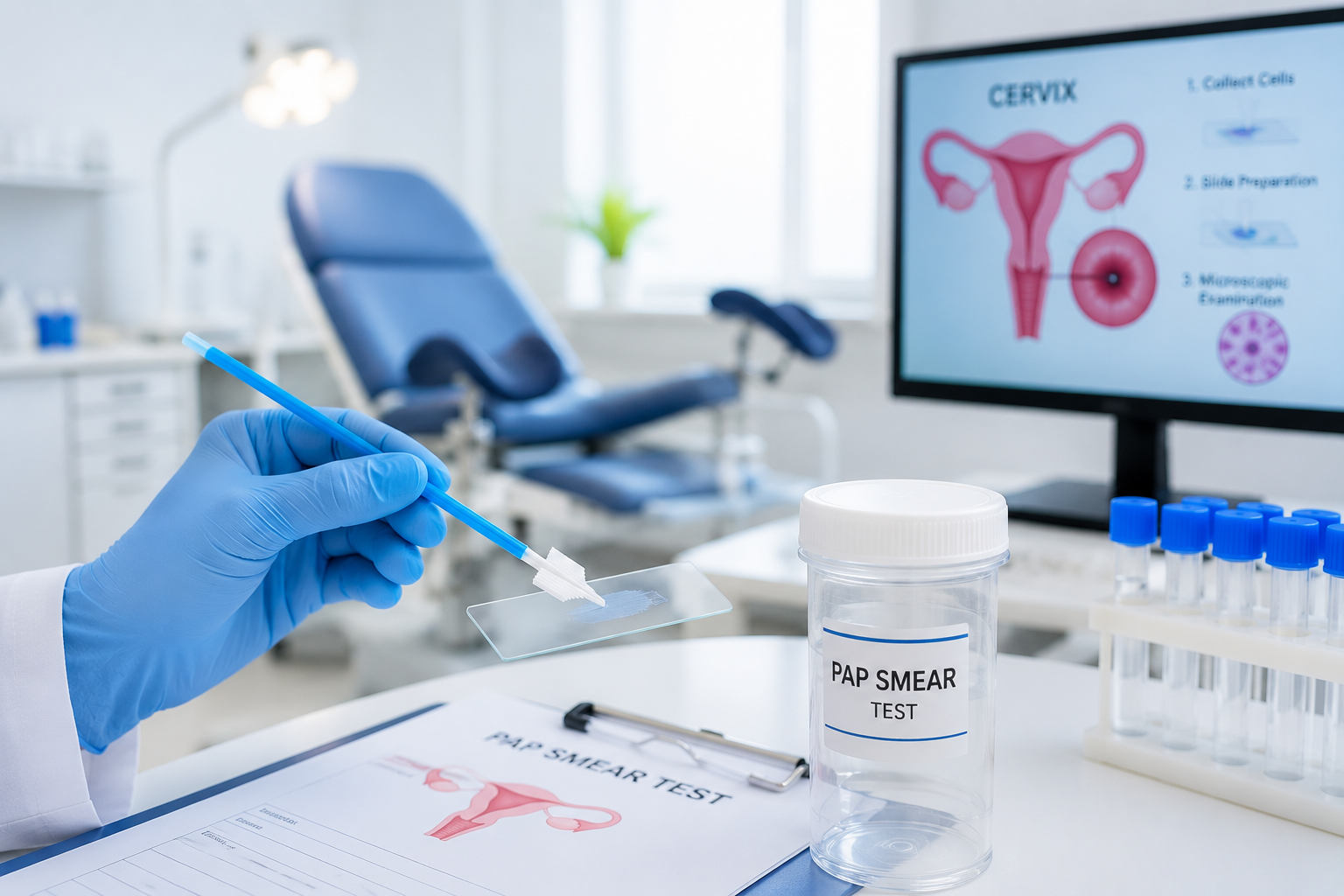
Cervical cancer is one of the most preventable types of cancer when detected early. Fortunately, regular screening through a Pap smear test can identify abnormal cervical cells before they develop into cancer. As a result, women can receive timely treatment and significantly reduce their risk of serious complications.
Moreover, many women with early cervical cell changes do not experience noticeable symptoms. Therefore, waiting for symptoms to appear may delay diagnosis. Instead, routine screening is one of the most effective ways to protect long-term reproductive health.
If you are searching for a pap smear test in Bengaluru, understanding how the test works, who should undergo screening, its connection with Human Papillomavirus (HPV), and what factors influence the cost can help you make informed healthcare decisions.
Furthermore, with increasing awareness about preventive healthcare among women in Bengaluru, Pap smear screening has become an important part of routine women's health check-ups.
This Blog Includes:
 Pap Smear Explained
A Pap smear test is a cervical cancer screening procedure that collects cells from the cervix to detect abnormal or precancerous changes. It helps identify cervical cell abnormalities early, often before cancer develops.
Doctors may recommend a Pap smear as part of routine women's preventive healthcare. Depending on age and risk factors, HPV testing may also be performed alongside a Pap smear.
What Is a Pap Smear Test?
A Pap smear, also known as a Pap test, is a screening procedure used to examine cervical cells for abnormalities.
Rather than diagnosing cervical cancer directly, the test detects abnormal cell changes that may require further evaluation or treatment.
Consequently, early detection significantly improves the chances of preventing cervical cancer.
How Does a Pap Smear Work?
During the procedure, a healthcare professional gently collects a small sample of cells from the cervix using a soft brush or spatula.
The sample is then sent to a laboratory for microscopic examination.
As a result, specialists can identify:
Pap Smear Explained
A Pap smear test is a cervical cancer screening procedure that collects cells from the cervix to detect abnormal or precancerous changes. It helps identify cervical cell abnormalities early, often before cancer develops.
Doctors may recommend a Pap smear as part of routine women's preventive healthcare. Depending on age and risk factors, HPV testing may also be performed alongside a Pap smear.
What Is a Pap Smear Test?
A Pap smear, also known as a Pap test, is a screening procedure used to examine cervical cells for abnormalities.
Rather than diagnosing cervical cancer directly, the test detects abnormal cell changes that may require further evaluation or treatment.
Consequently, early detection significantly improves the chances of preventing cervical cancer.
How Does a Pap Smear Work?
During the procedure, a healthcare professional gently collects a small sample of cells from the cervix using a soft brush or spatula.
The sample is then sent to a laboratory for microscopic examination.
As a result, specialists can identify:
- Article Title: Pap Smear Test - Cervical Cancer Screening
- Publisher: Prima Diagnostics
- Test Covered: Pap Smear Test
- Health Conditions Covered: Cervical Cancer, HPV Infection, Abnormal Cervical Cells, Precancerous Cervical Changes
- Topics Covered: What Is a Pap Smear, HPV, Cervical Cancer Screening, Pap Smear Procedure, Pap Smear Cost, Screening Recommendations, Test Preparation, Understanding Results
- Women's Health Focus: Cervical Health, Preventive Women's Healthcare, Cancer Screening
- Related Test: HPV Test
- Diagnostic Services Mentioned: Cervical Cancer Screening, Women's Preventive Health Screening, Laboratory Diagnostics
- Healthcare Service: Cervical Cancer Screening and Women's Preventive Healthcare
- FAQ Section: Included.
Pap Smear Explained
A Pap smear test is a cervical cancer screening procedure that collects cells from the cervix to detect abnormal or precancerous changes. It helps identify cervical cell abnormalities early, often before cancer develops.
Doctors may recommend a Pap smear as part of routine women's preventive healthcare. Depending on age and risk factors, HPV testing may also be performed alongside a Pap smear.
What Is a Pap Smear Test?
A Pap smear, also known as a Pap test, is a screening procedure used to examine cervical cells for abnormalities.
Rather than diagnosing cervical cancer directly, the test detects abnormal cell changes that may require further evaluation or treatment.
Consequently, early detection significantly improves the chances of preventing cervical cancer.
How Does a Pap Smear Work?
During the procedure, a healthcare professional gently collects a small sample of cells from the cervix using a soft brush or spatula.
The sample is then sent to a laboratory for microscopic examination.
As a result, specialists can identify:
- Normal cervical cells
- Abnormal cervical cells
- Precancerous changes
- Certain infections
- HPV infection
- Weakened immune system
- Smoking
- Previous cervical abnormalities
- Family history of cervical cancer
- Pregnancy
- Previous Pap smear results
- Current medications
- Existing medical conditions
- Mild cellular changes
- HPV-related changes
- Inflammation
- Precancerous abnormalities